Bryson writes · Bogotá, Guatavita and Zipaquirá, Colombia · 15–24 April 2026
Open the camera roll (30 photographs)
Bogotá
After leaving Louisiana, we flew from Monroe to Bogotá on 13 April. We changed planes in Atlanta and arrived that afternoon.
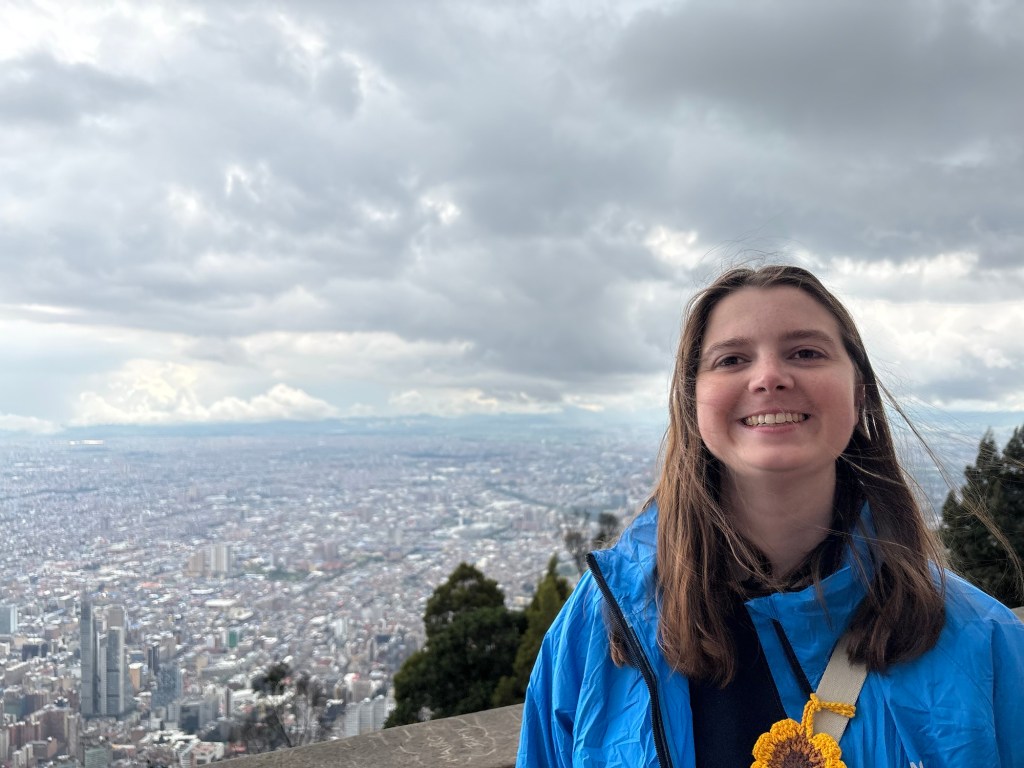
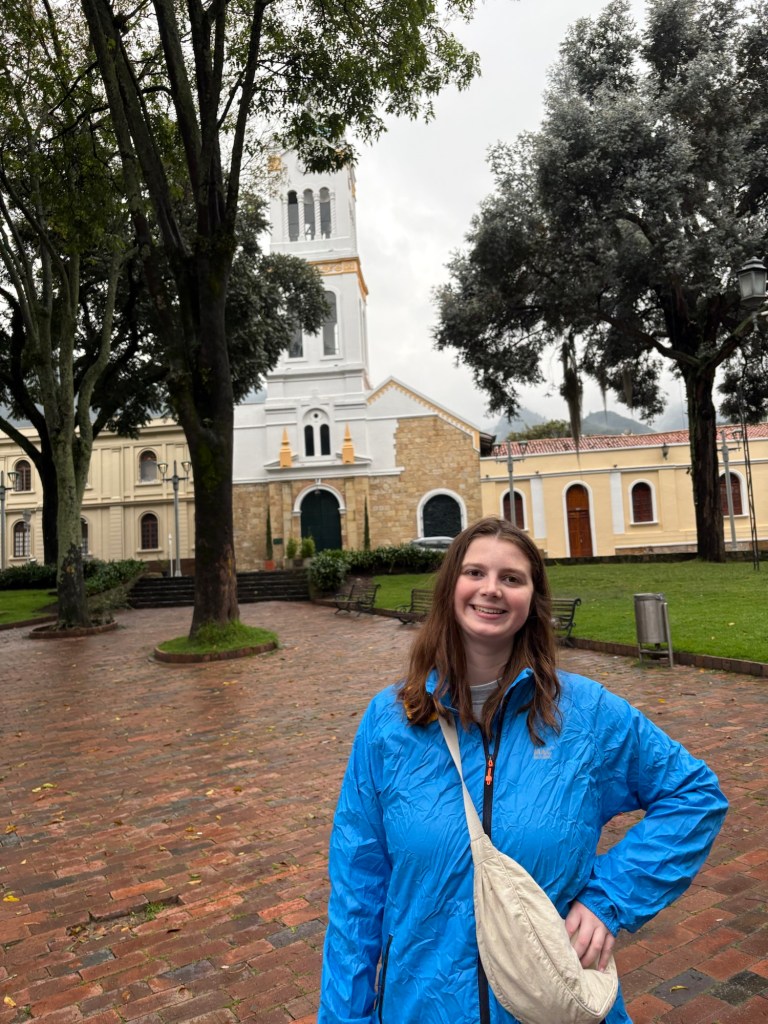
We rented a small loft in the north of the city for two weeks. After months of travelling, the wedding, and trying to visit everyone we could, staying in one place sounded good. Bogotá was cooler and rainier than expected, so Emily wore her blue raincoat most days. It also had much less oxygen than I was used to.
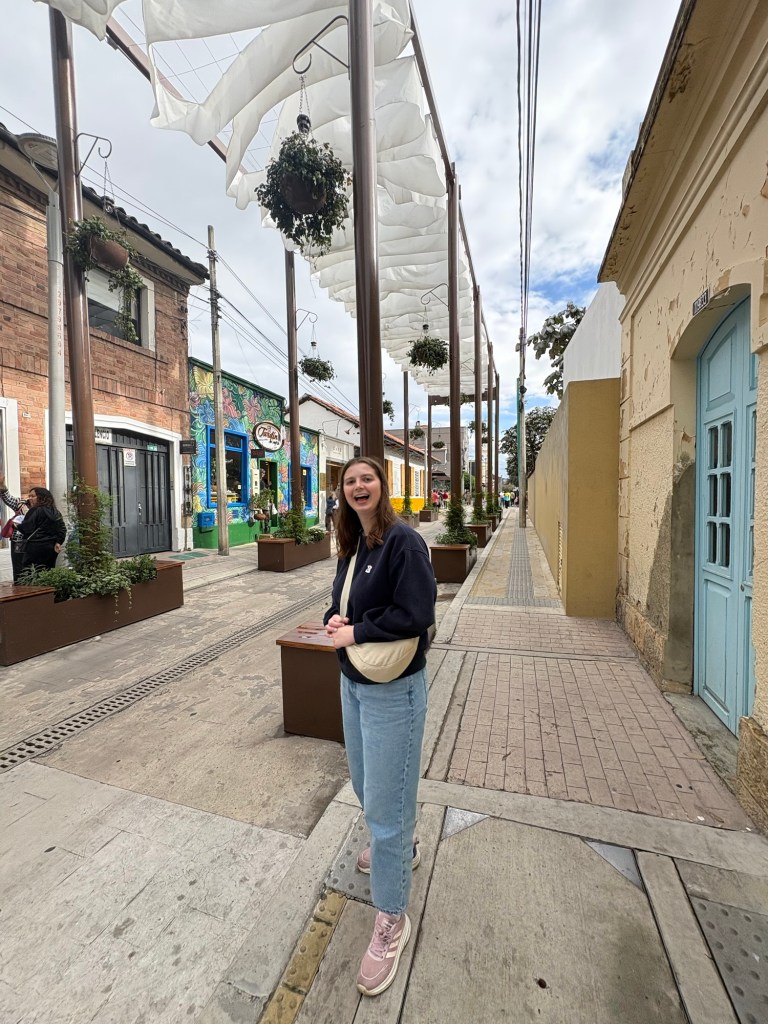
We were close to Usaquén and walked around the neighbourhood. It had old brick streets, shops, cafés, and plenty of places to eat. We visited the square beside Santa Bárbara Church. Mostly, we enjoyed having no urgent plans.
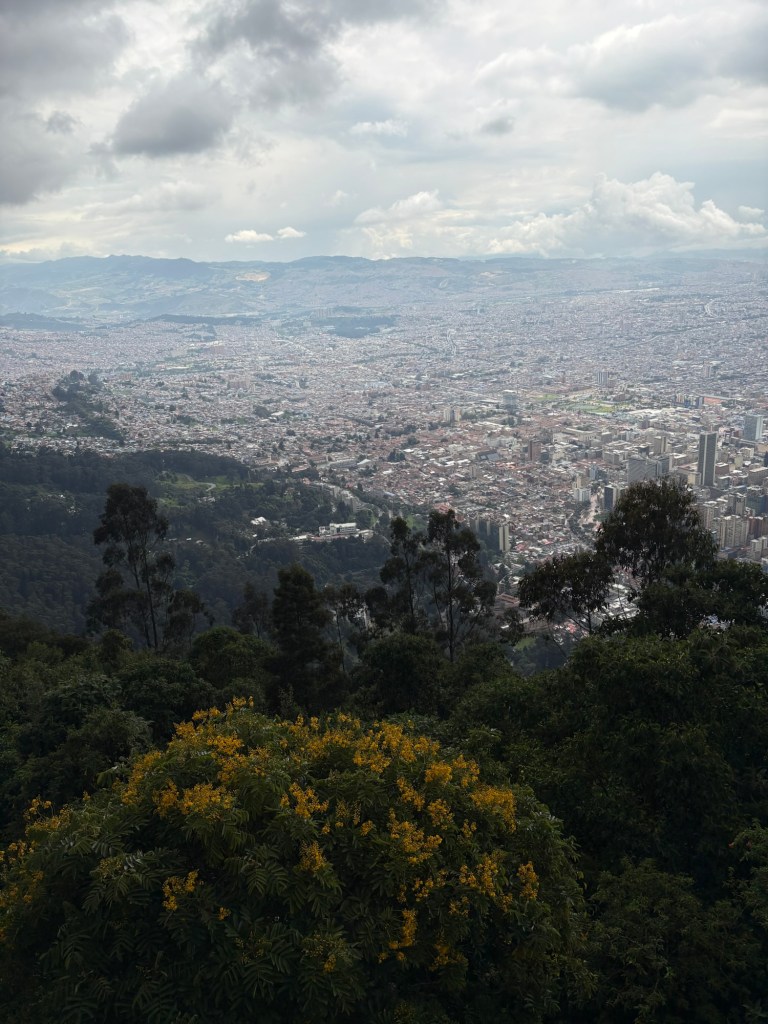
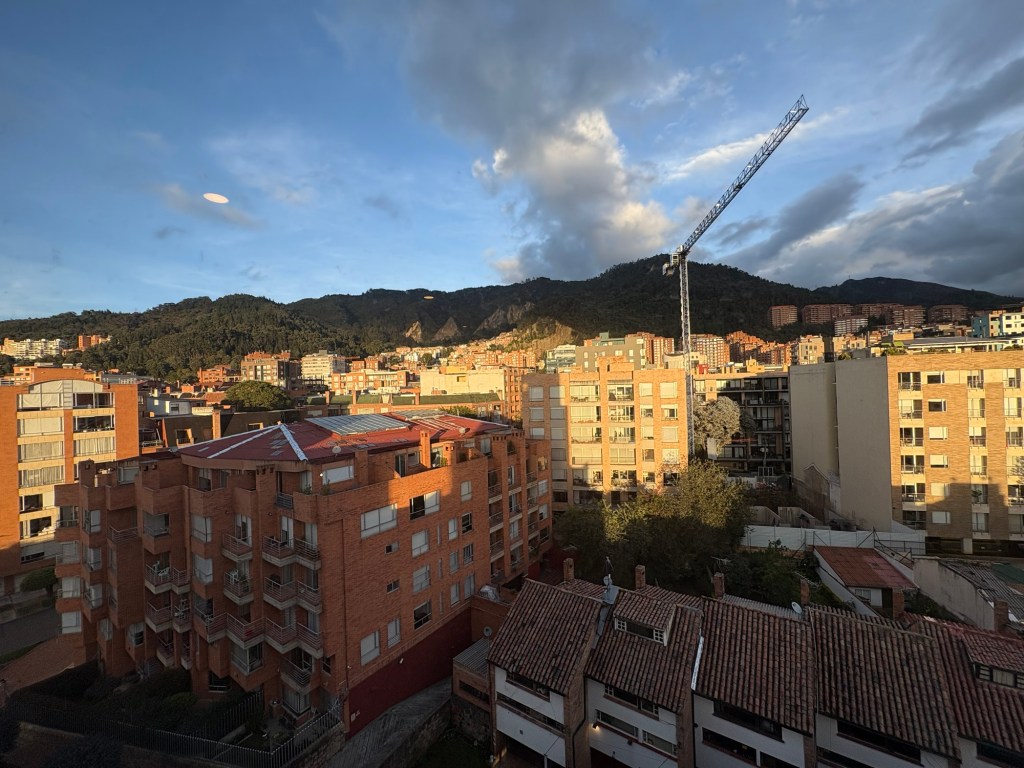
Our building looked across the city towards the mountains. Bogotá is much bigger than it first appears. I smoked several Colombian cigars while looking at the skyline.
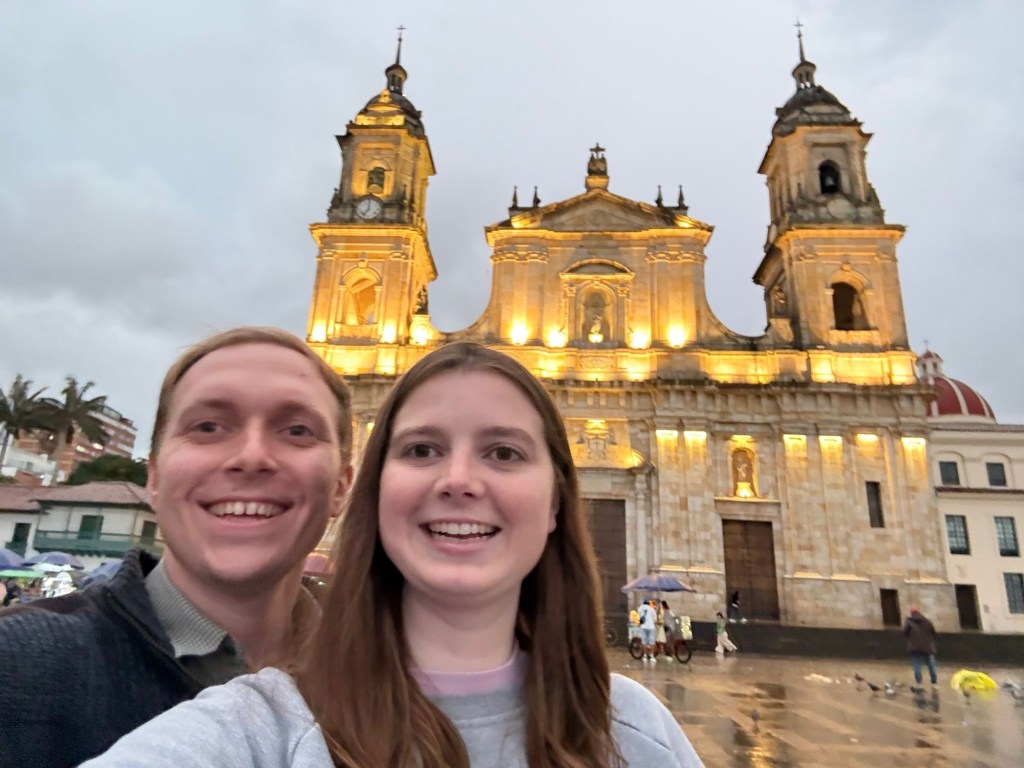
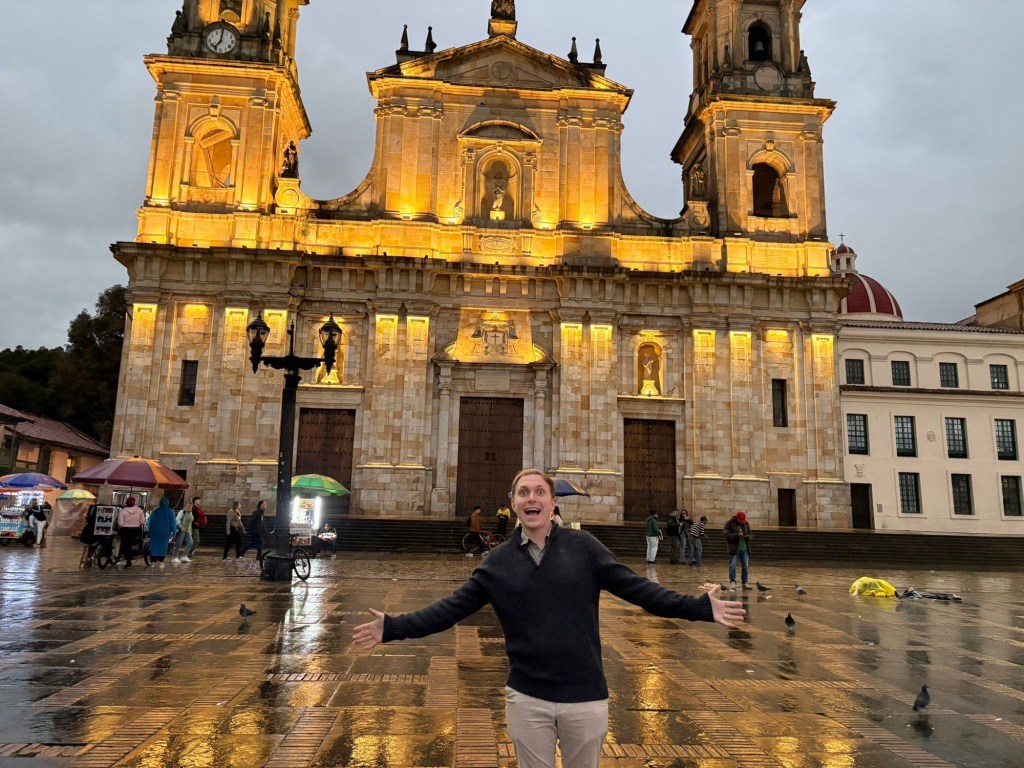
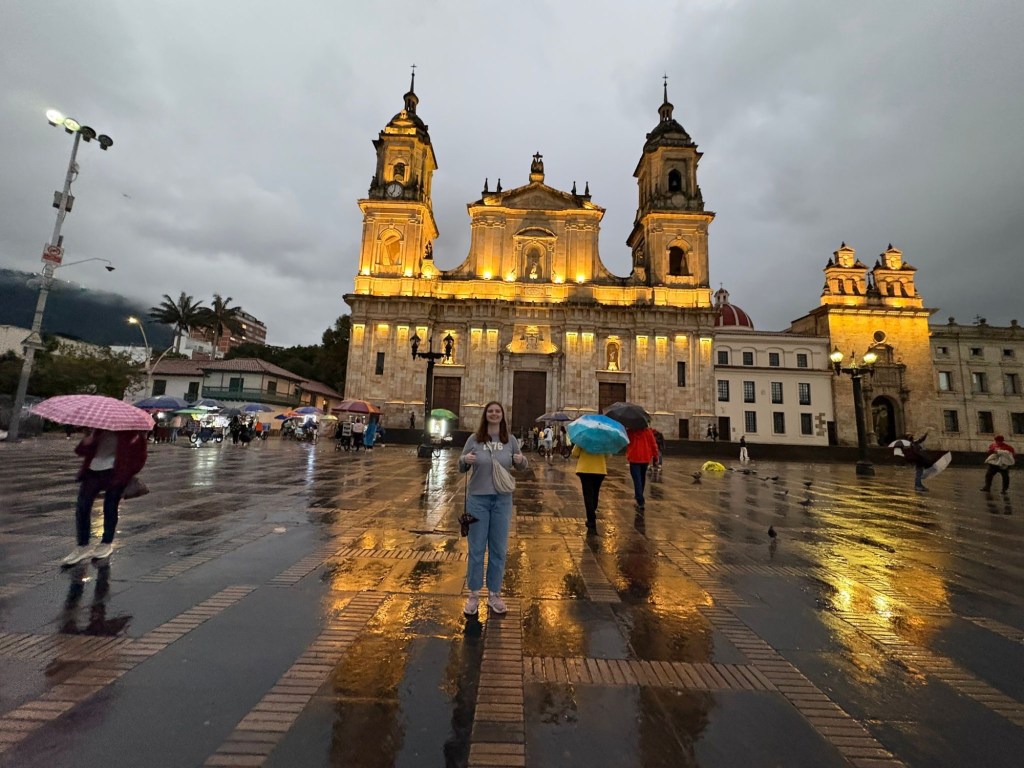
We went into the centre on a rainy evening and visited Plaza de Bolívar. The cathedral was lit and the wet square reflected the lights. Bad sightseeing weather. Still cool.
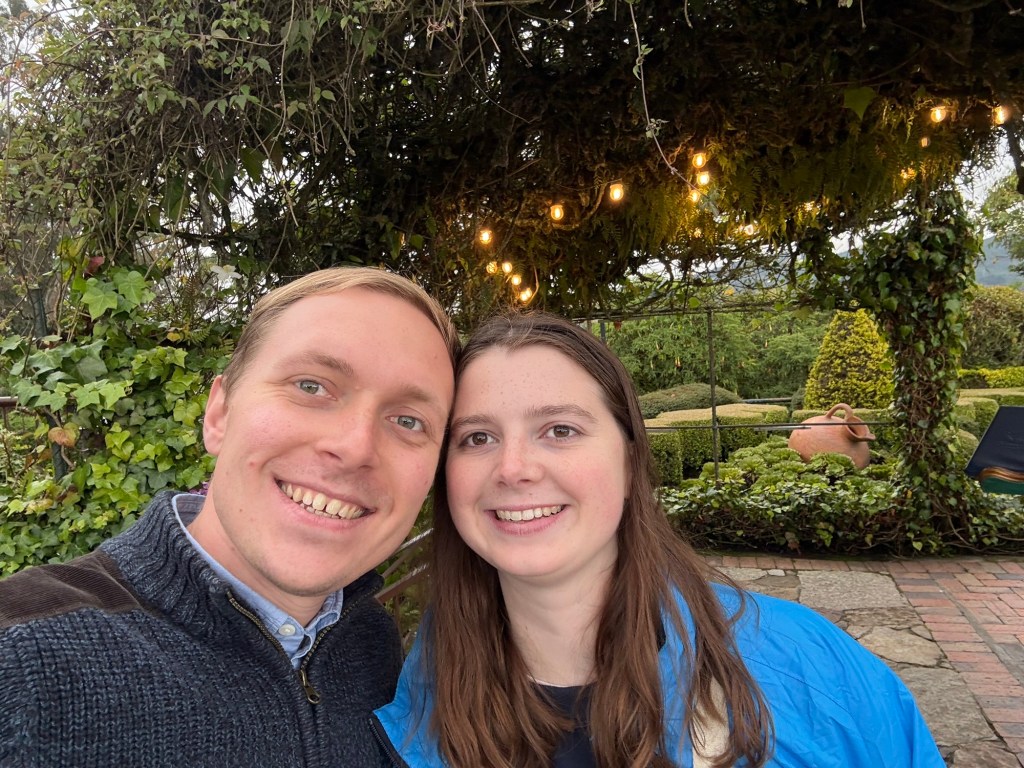
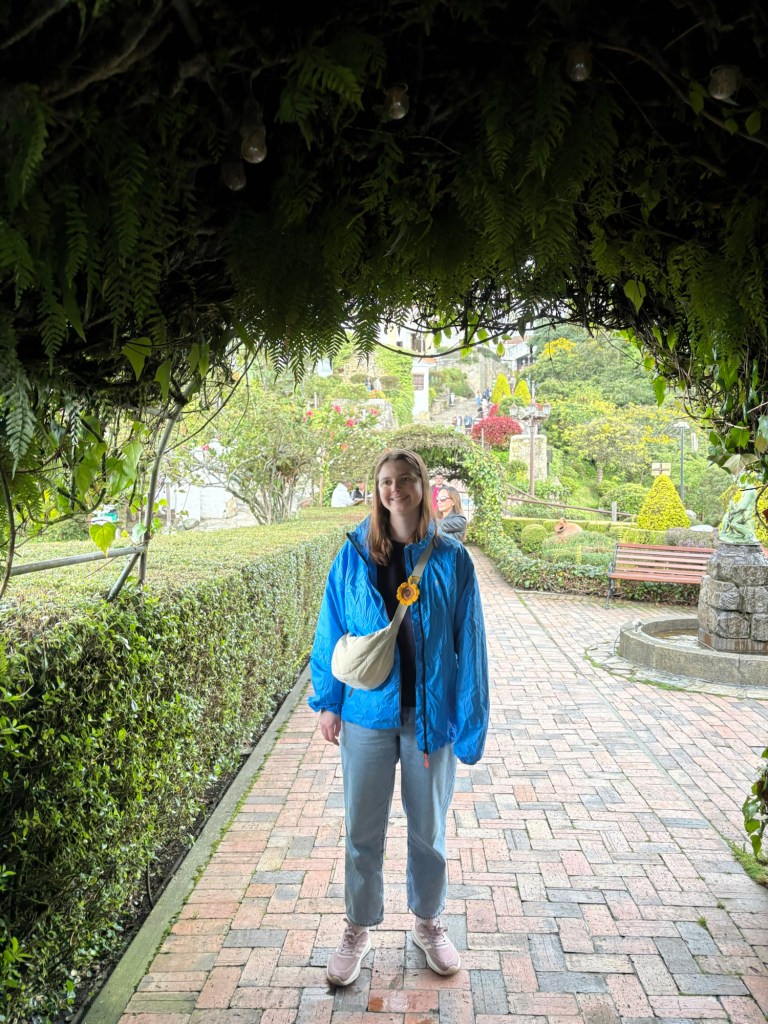
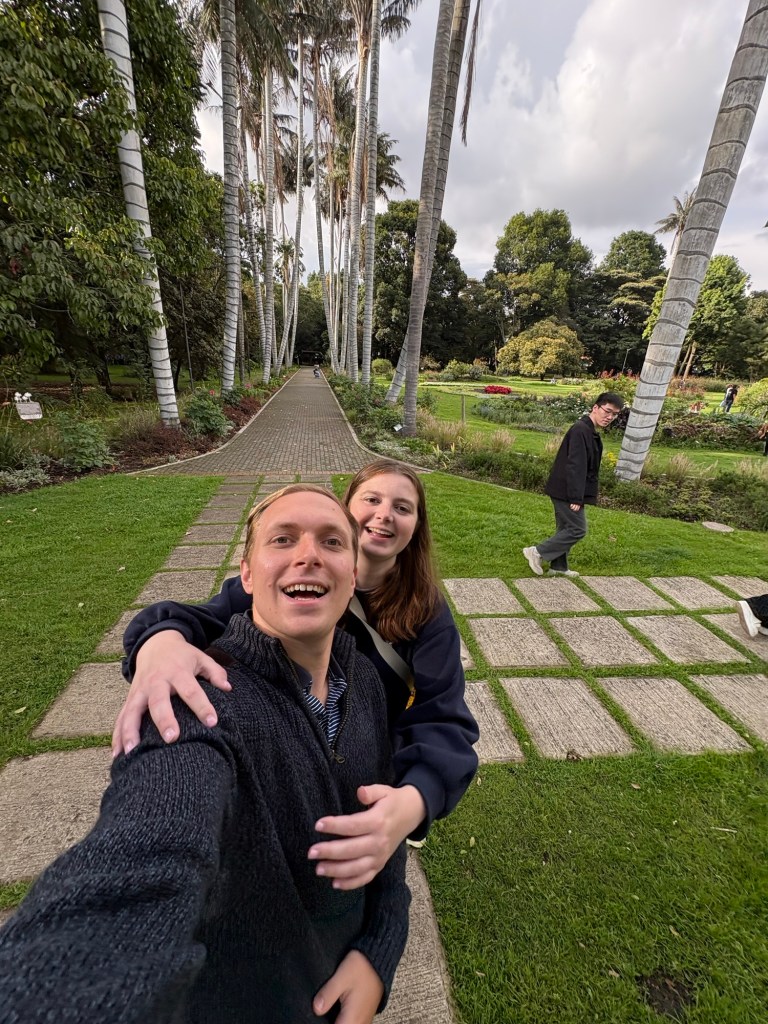
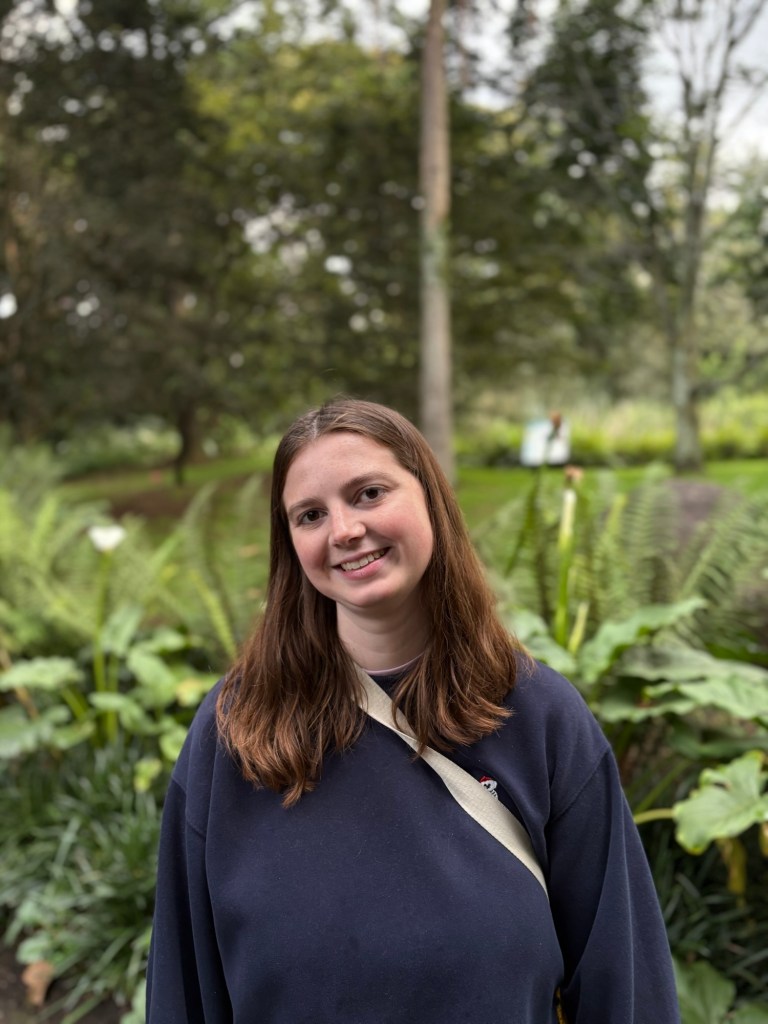
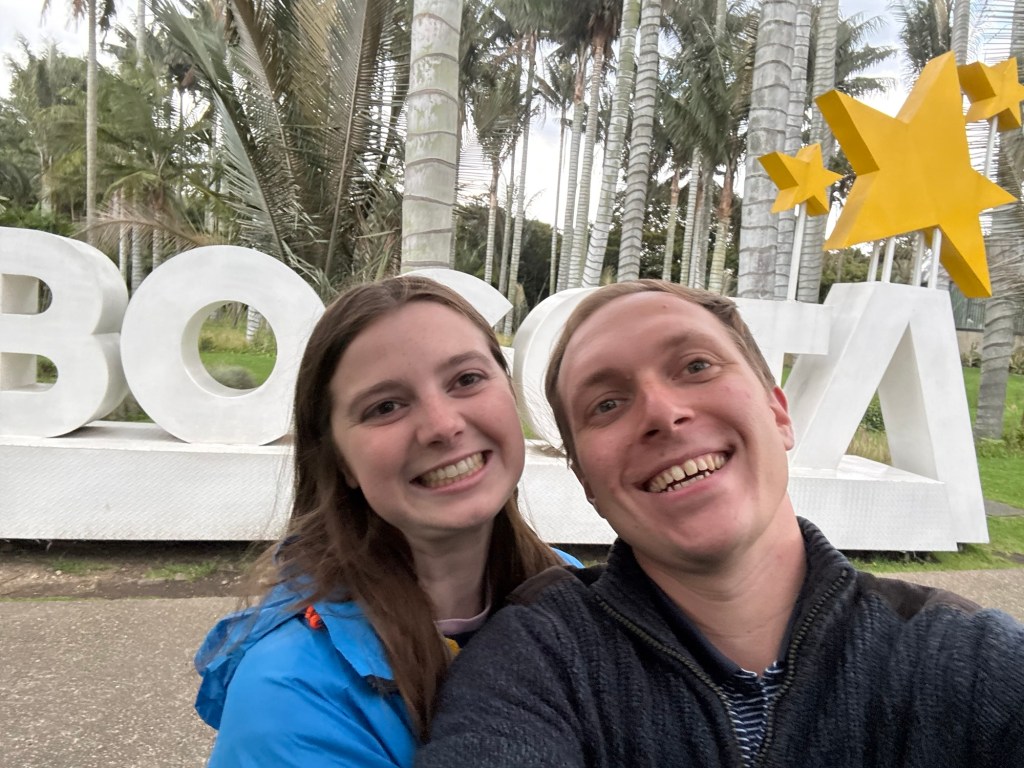
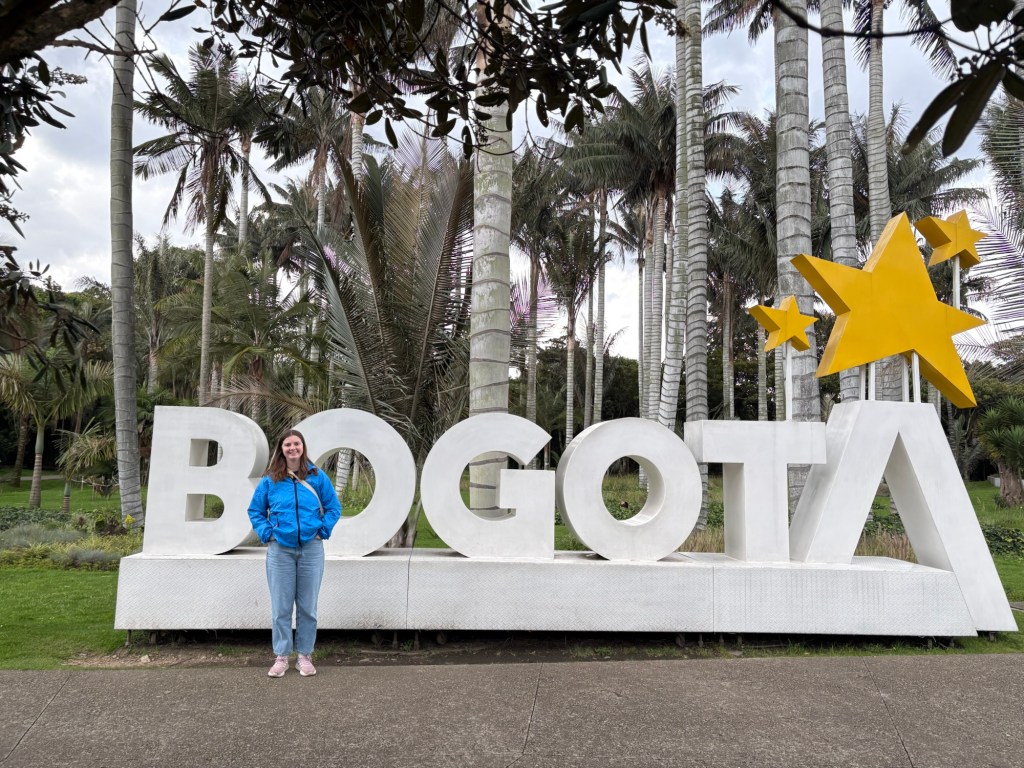
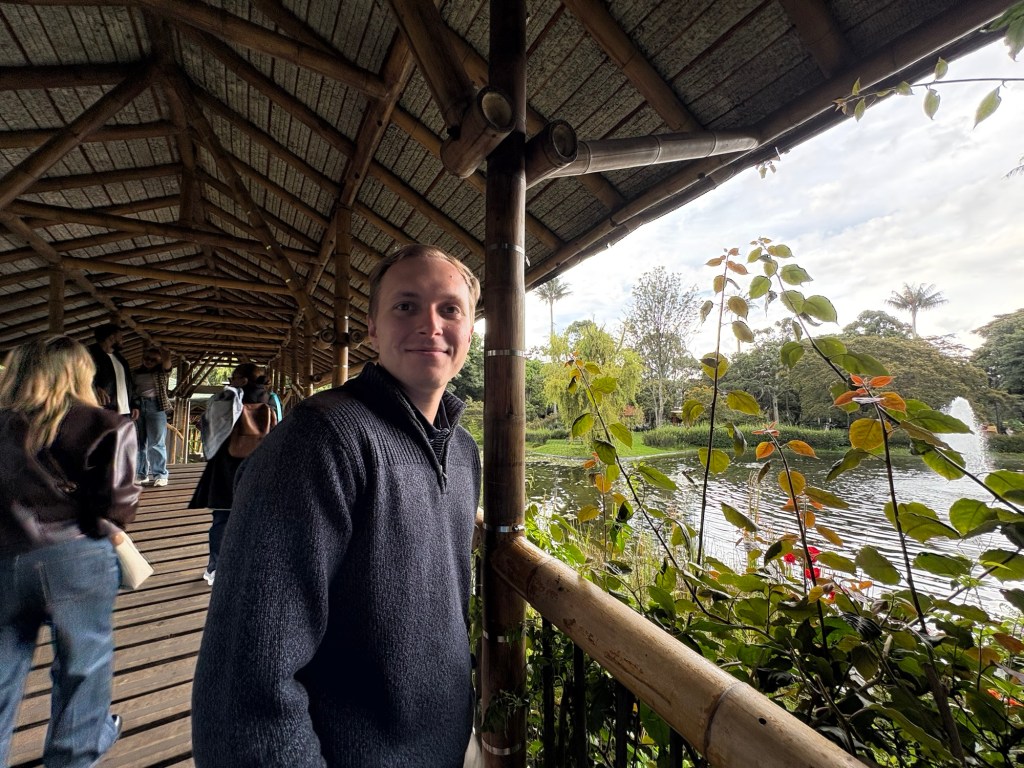
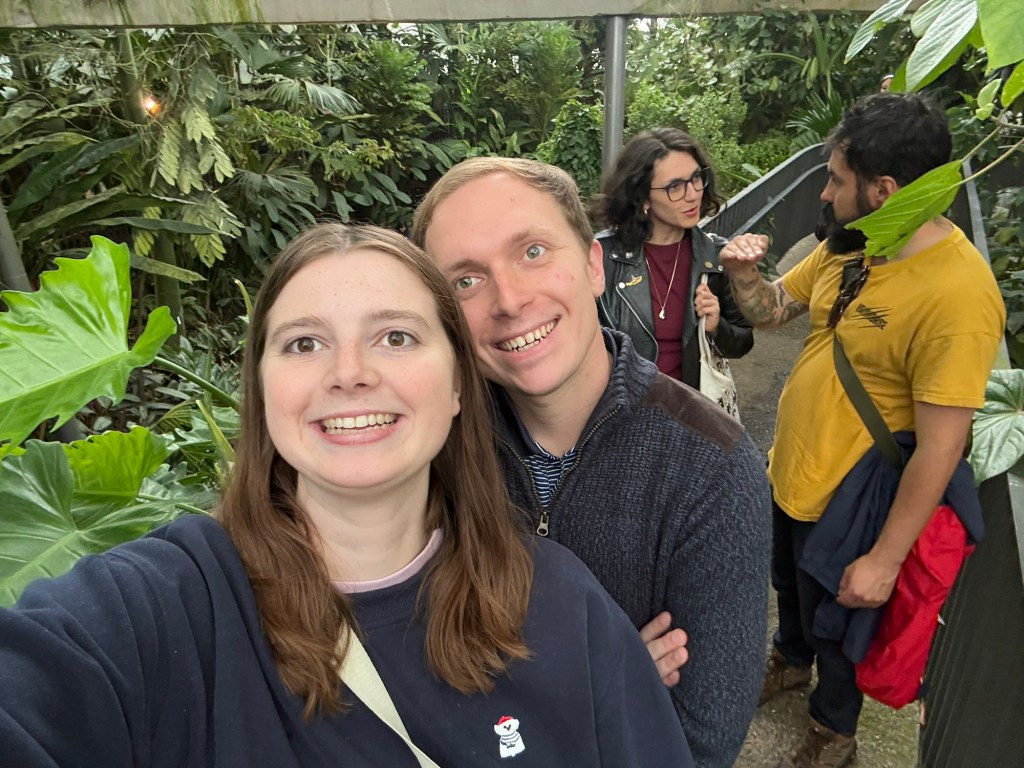
At the Bogotá Botanical Garden, we walked through the gardens and along covered paths over the water. There were tropical plants, flowers, palms, and a giant BOGOTÁ sign that required a photograph. Emily says I take an American number of pictures.
That evening I asked for the best local drink on the menu. After being offered several complicated mixtures of beer, fruit, and chilli, I changed my request to corona por favor.
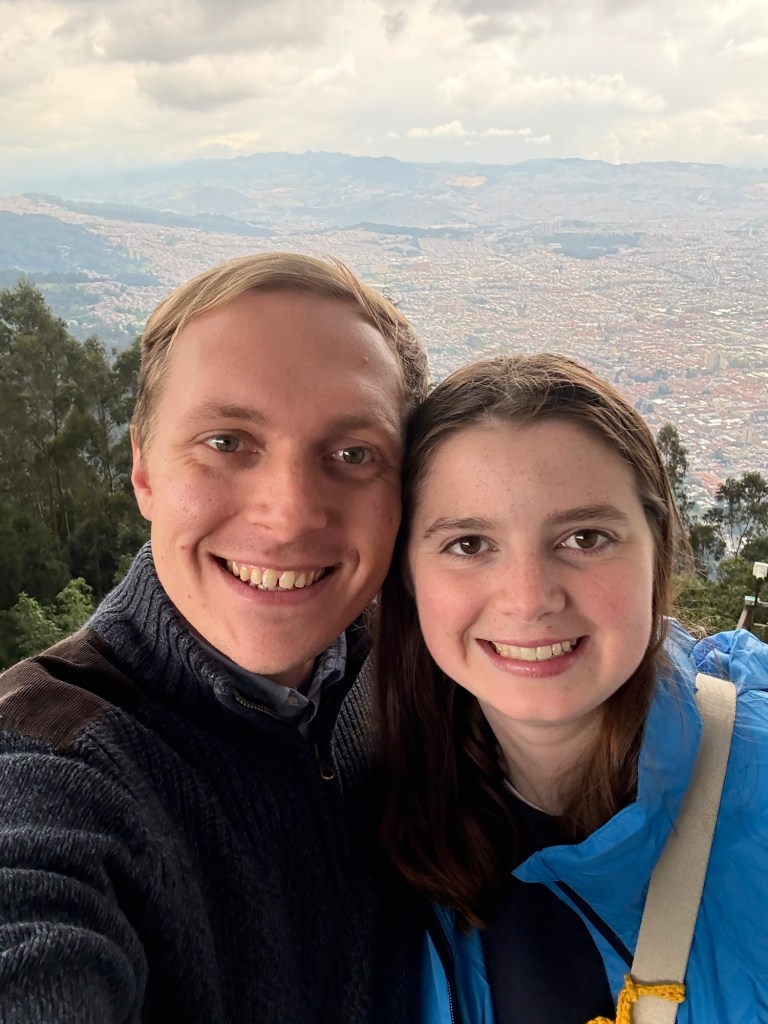
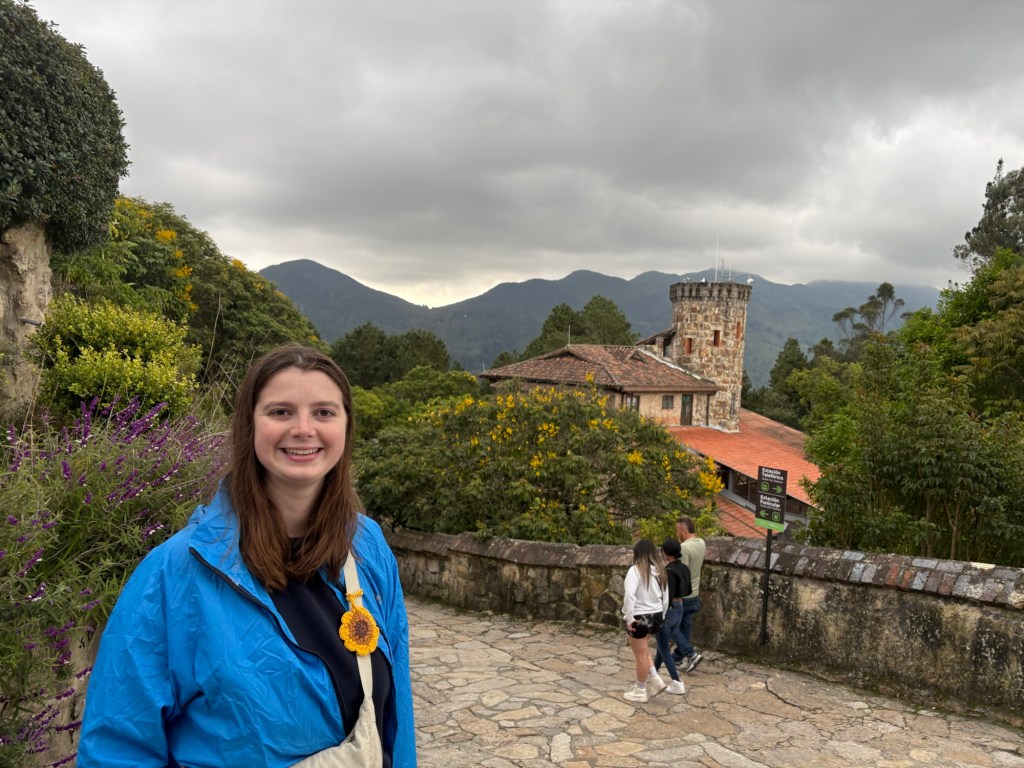
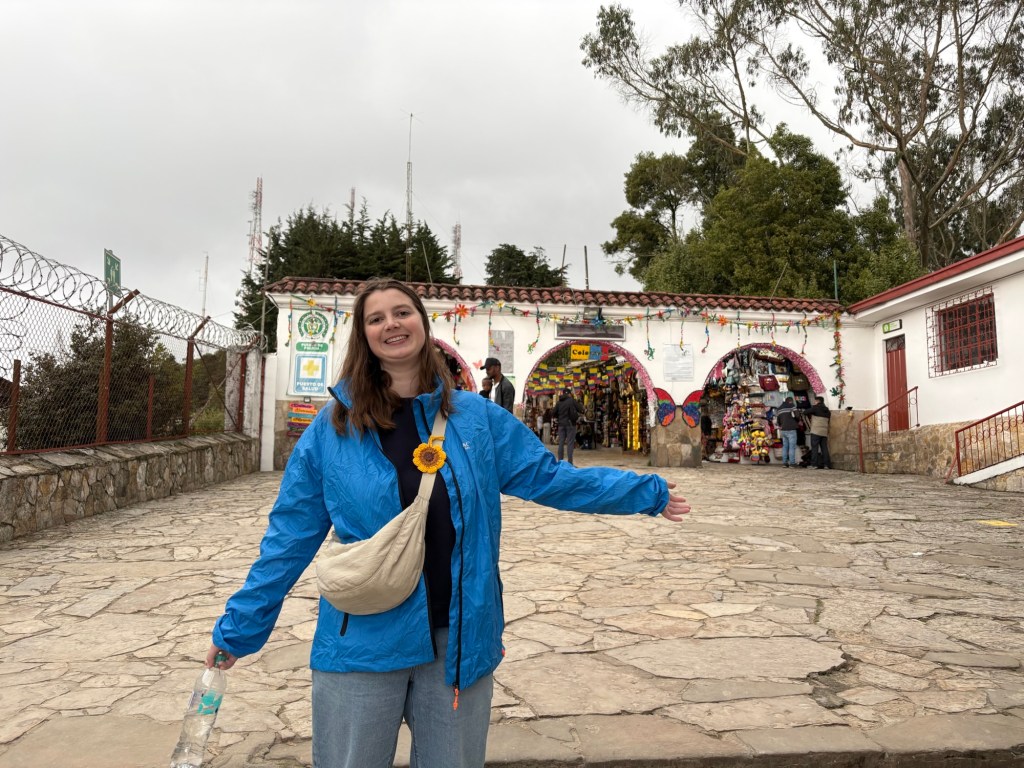
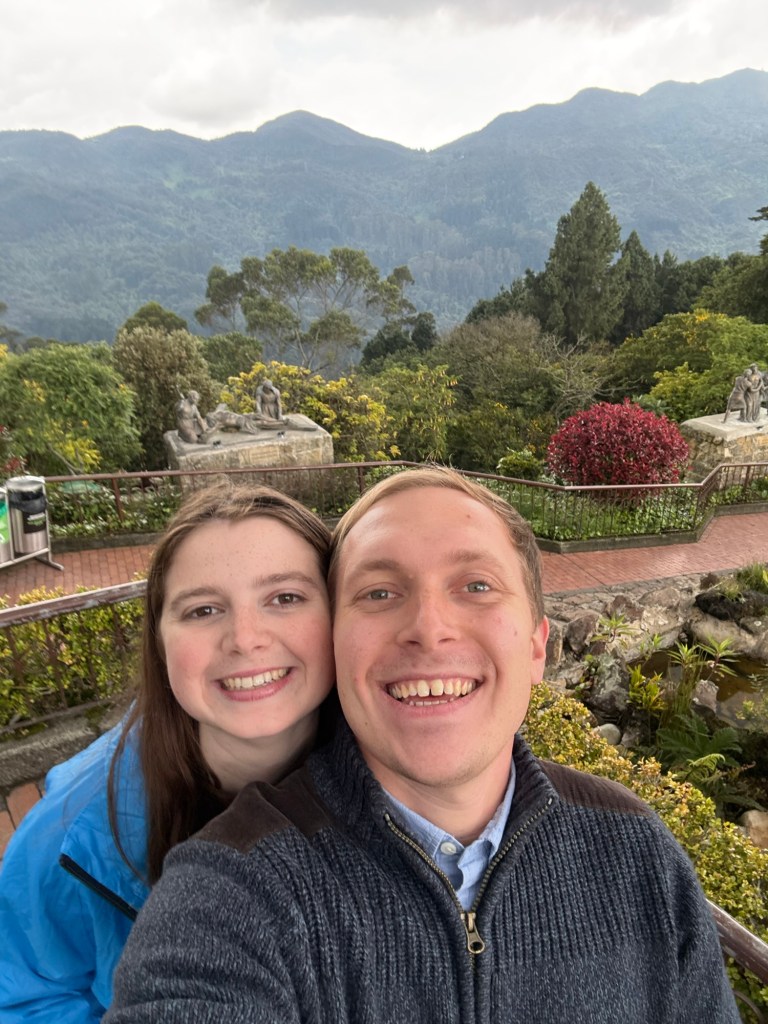
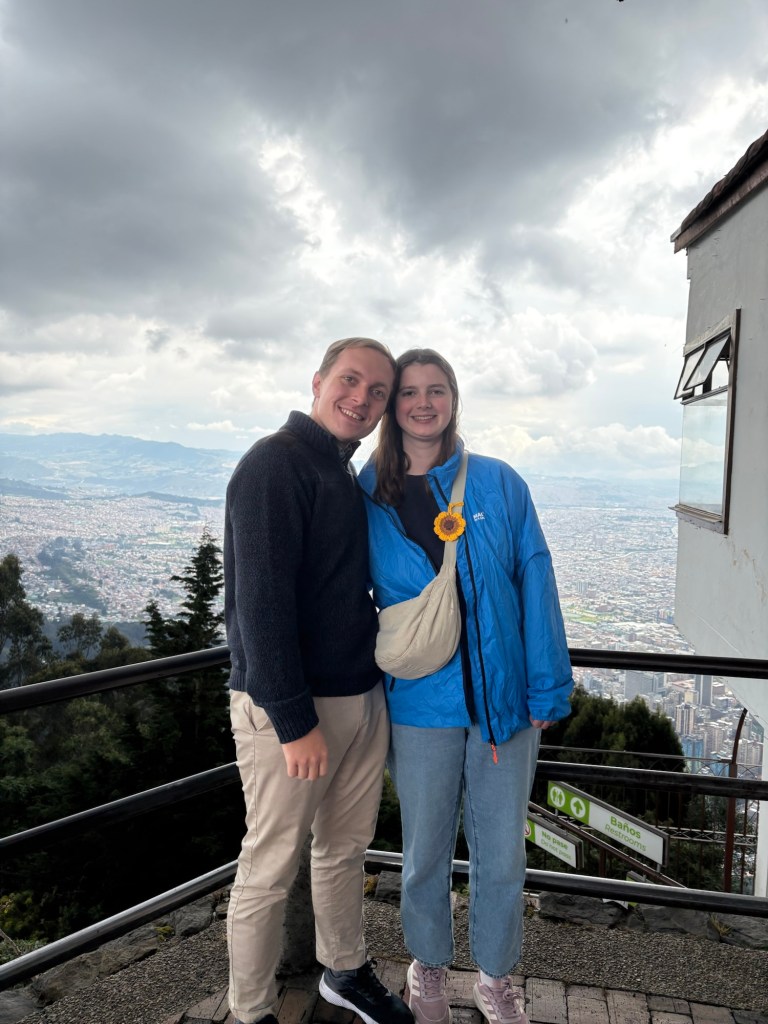
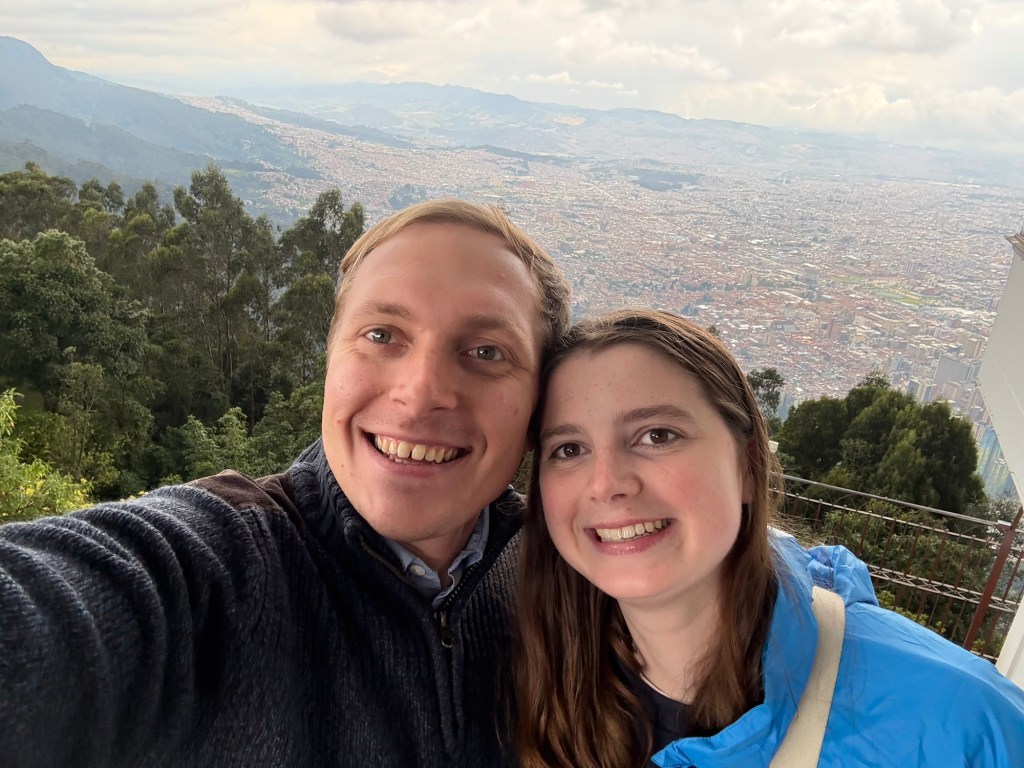
A few days later, we went up Monserrate. The view showed how far Bogotá spreads. I swear there was no oxygen up there. I am also out of shape. We walked through the gardens, went into the church, and passed through the souvenir market. Clouds covered part of the city, but we could still see most of it.
Our busiest day was 24 April. We ate at Mercado de Paloquemao, then left Bogotá on a tiny blue bus.
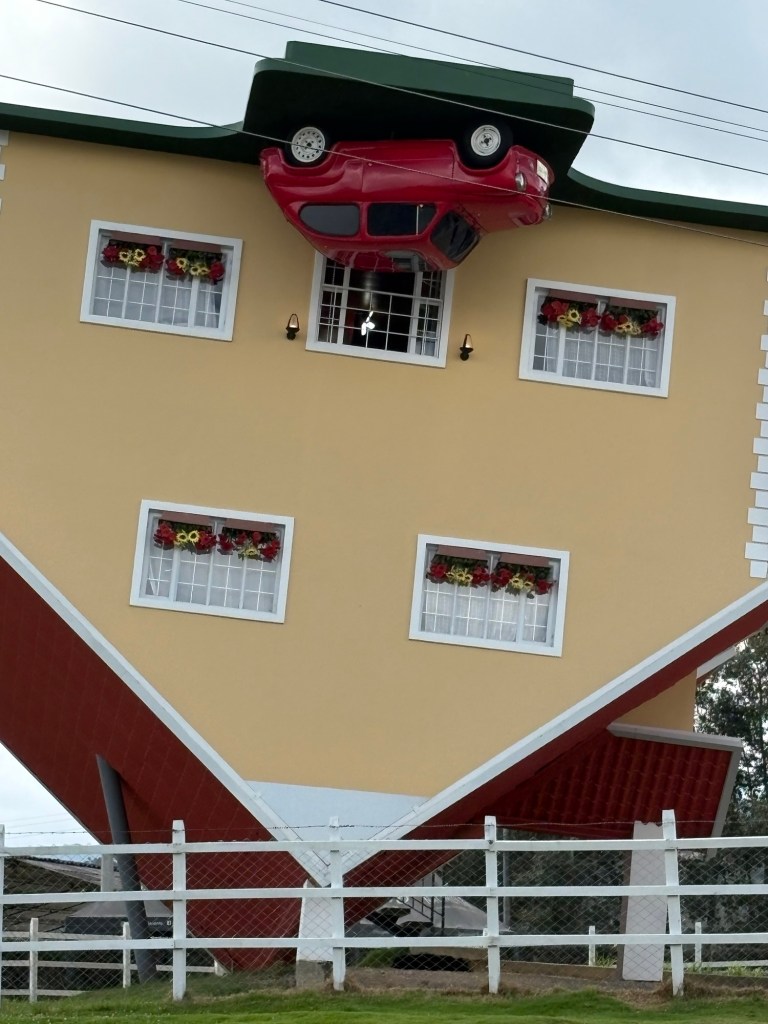
The first stop was Casa Loca in Guatavita, a complete house built upside down with a red car attached above the windows. There was no practical reason to visit. Somebody had built an upside down house and we wanted to see it.
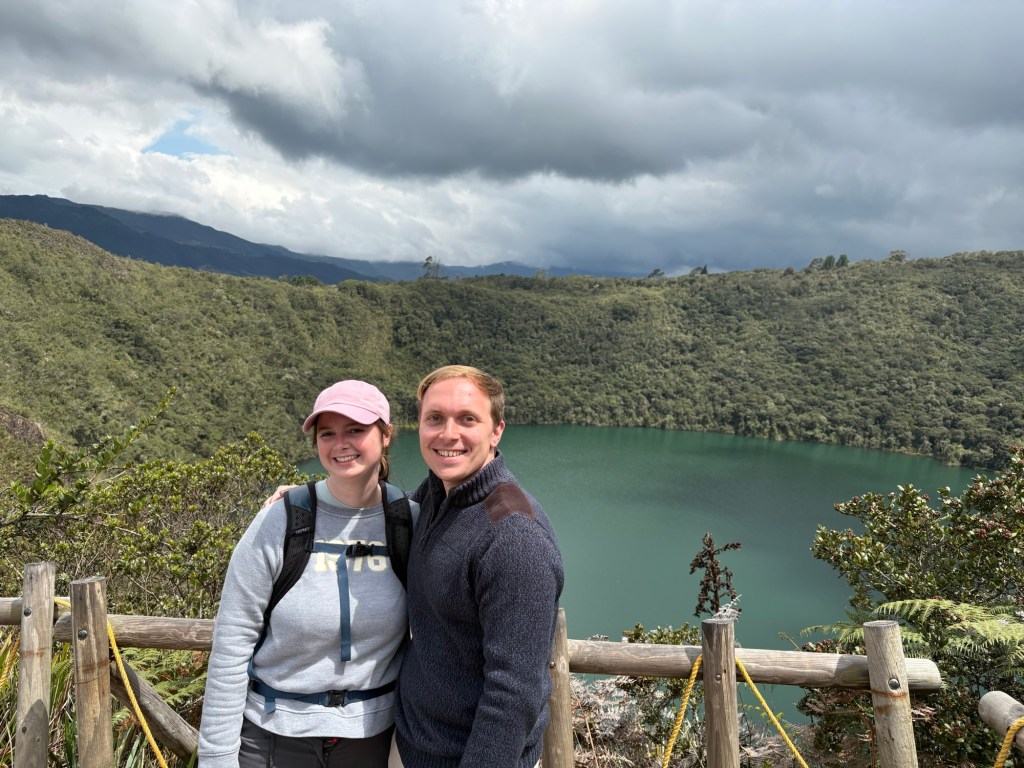
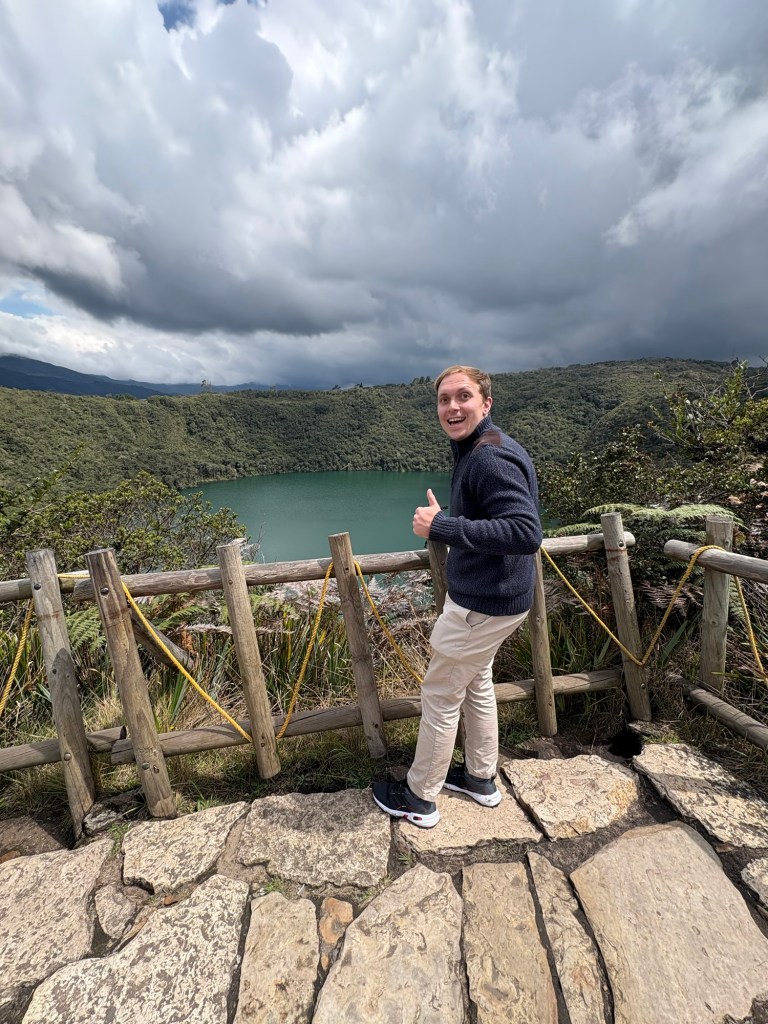
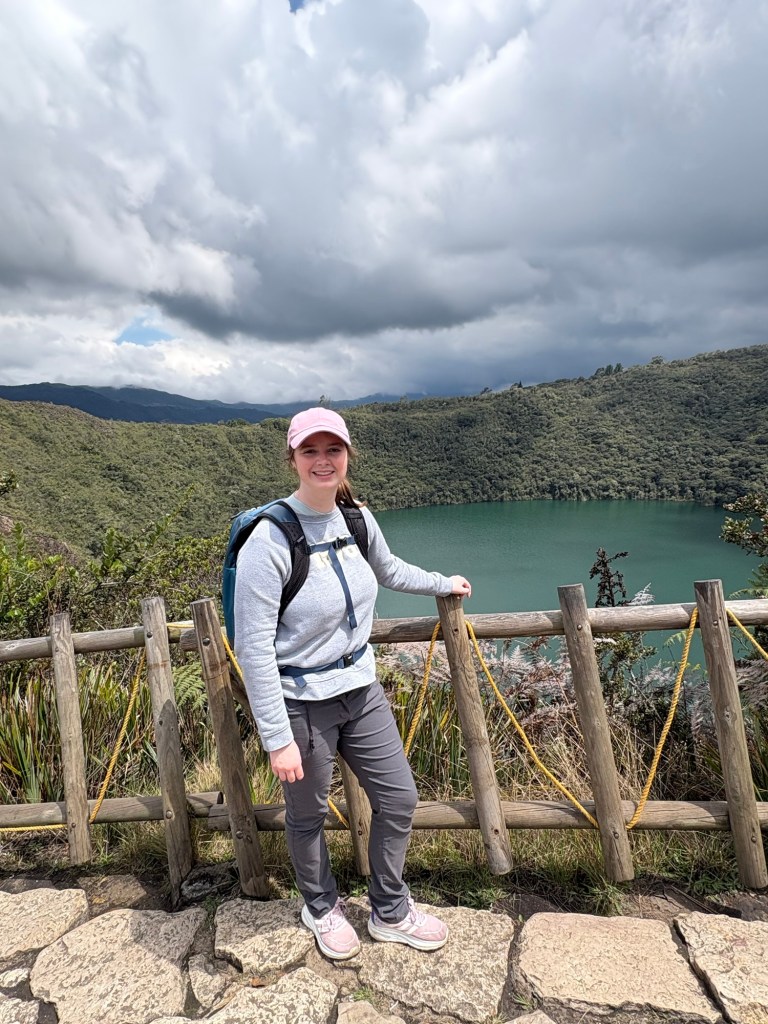
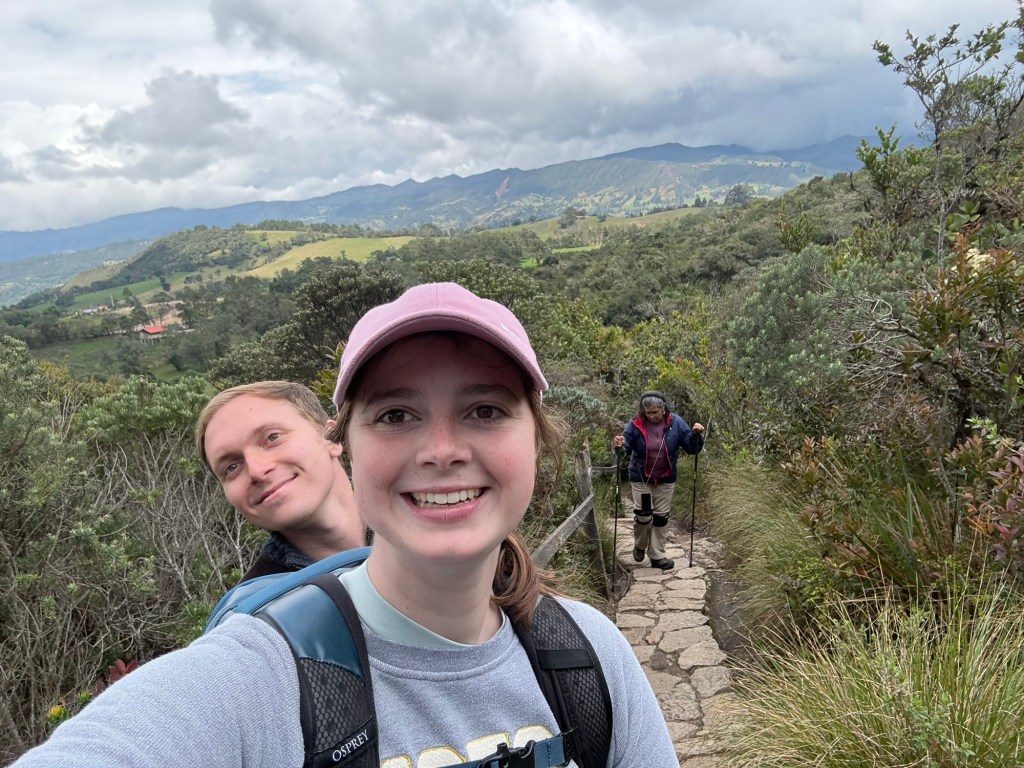
At Laguna de Guatavita, we followed a stone path through the hills to a viewpoint over the green crater lake. The clouds threatened rain the whole way.
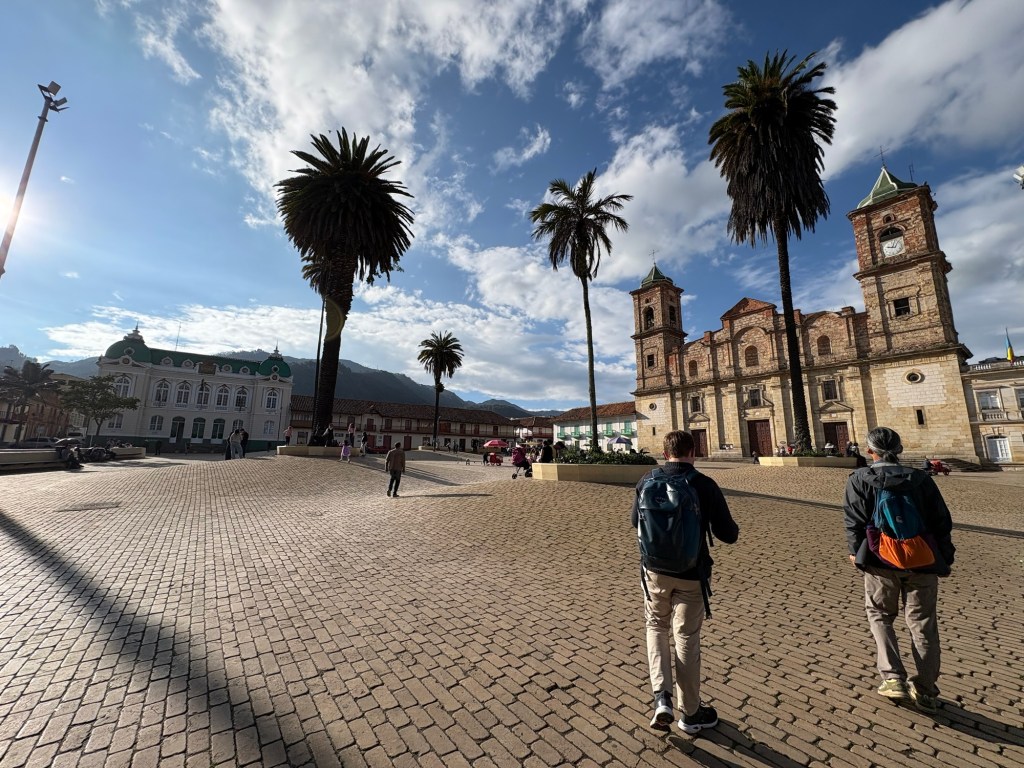
We continued to Zipaquirá, walked through the main square, looked at the cathedral and old buildings, then went underground to see the Salt Cathedral.
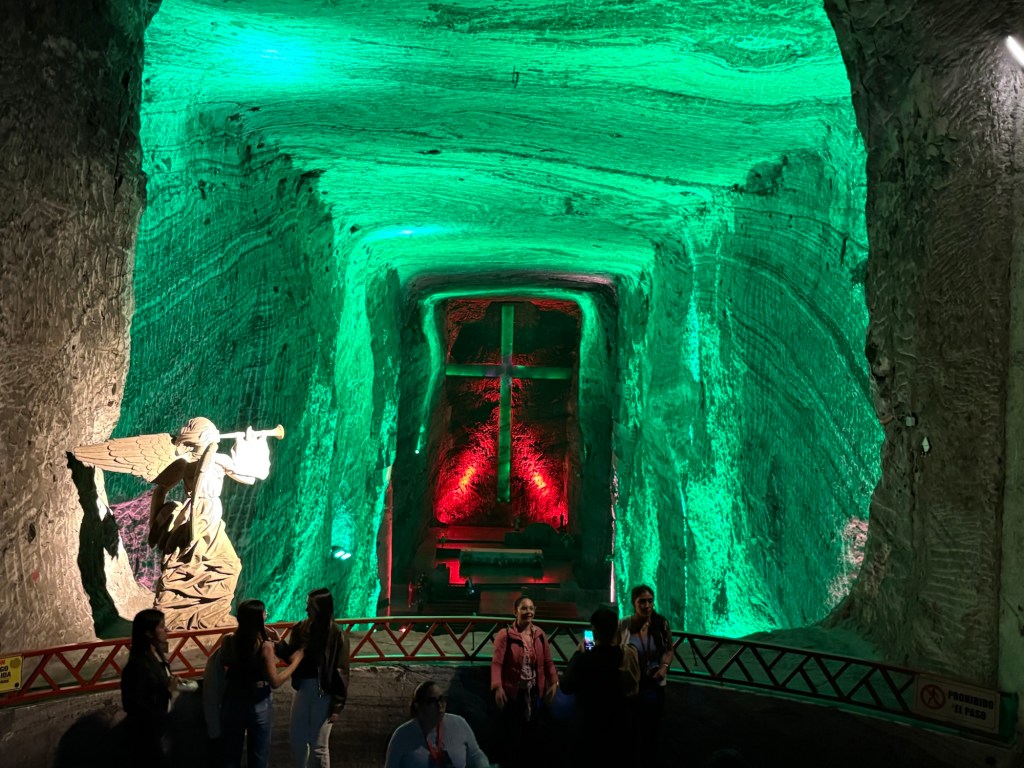
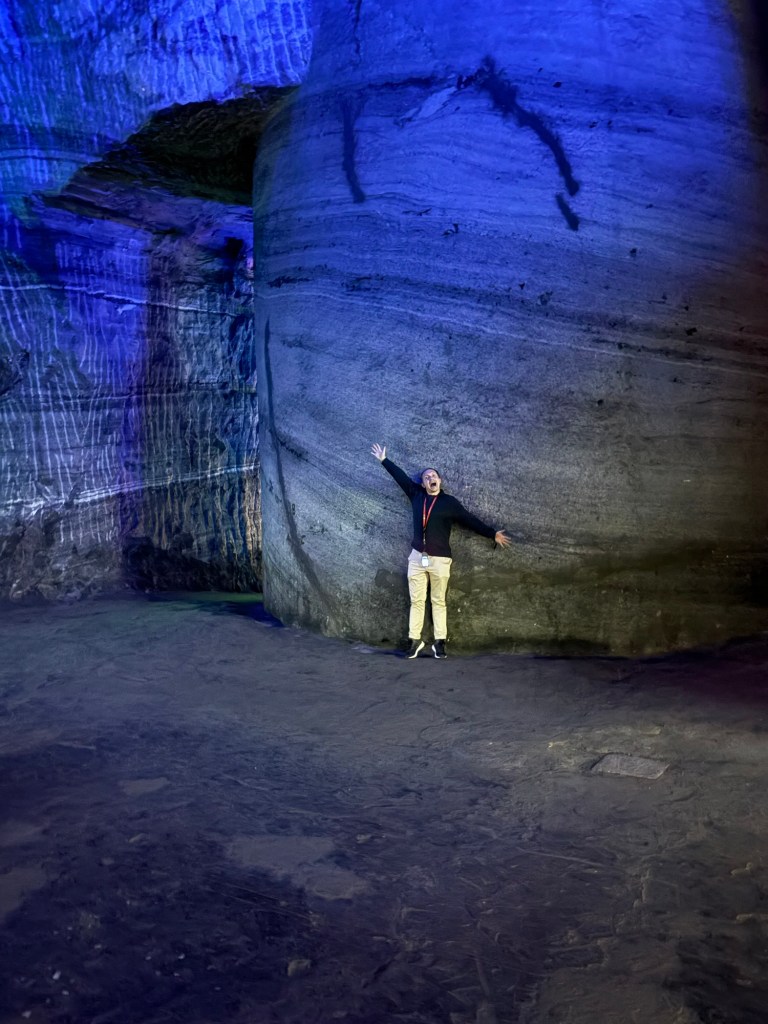
The Salt Cathedral sits inside the tunnels of an old salt mine. It has huge chambers, crosses carved into rock, and areas lit blue, green, and red. It was much larger than either of us expected.
My main question in this underground cathedral was how many people had died building it. This is apparently how I show an interest in engineering.
We spent the last few days quietly in Bogotá. On 27 April, we packed again and caught an overnight flight to London.
We went to Bogotá to slow down after the wedding. We mostly did. The upside down house and underground cathedral were exceptions.
Give back: Help trusted grassroots organizations improve education, health and opportunity for communities across Colombia. Donate to Give To Colombia →
